
Sustainable Shopping at Independent Stores
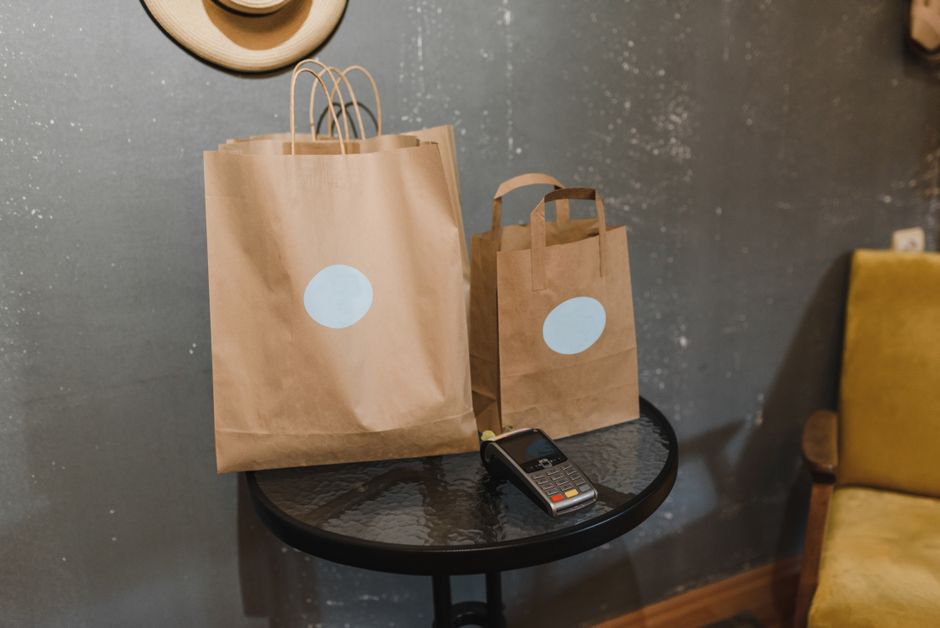
Sustainable shopping usually gets talked about in terms of products: recycled materials, organic cotton, fair-trade tea. All of that matters, but it can skip the simplest question of all. Where are you buying it, and how much of it do you really need?
We are a shop, so of course we would like you to buy from us. Still, there is an honest case for independent stores, and it goes something like this.
You tend to buy fewer, better things
This is the big one. The greenest thing you can buy is the thing you keep for years. People tend to value objects when they know who made them, and a piece you chose carefully is less likely to end up in the donation pile by next spring.
Some of it is rescued in the first place
A good independent shop is full of things given a second life. Dead Dolls Society began with a mission to save dolls from landfill and has reworked hundreds so far. Handmade with Rage uses repurposed industrial textiles alongside new fabric from carefully chosen suppliers. Oddities By Maggot gives overlooked natural finds a new life as keepsakes.
Pre-loved goods play a big part in this too. Much of what ends up in second-hand shops and on market tables comes from homes being emptied, and firms such as The Clearance Team sort what can be reused or recycled rather than sending it all to landfill. Buying second-hand is what makes that worthwhile.
Things can often be mended
When you buy from a maker, you can go back to them if something breaks. Jakki’s Handcrafted Jewellery offers minor jewellery repairs. A cheap necklace from a chain store simply gets thrown away.
Shorter journeys, sometimes
Some of our makers are based close by, including Dahlia Wax Candles in North Somerset and Risky Mugs up the road in Bridgwater. That can mean fewer miles for the finished item, although raw materials still have to come from somewhere, so we will not pretend it is a magic answer.
Your money stays closer to home
Money spent with a small local maker is more likely to be spent again nearby. It is not a precise science, but a healthy high street with its own character is worth having.
The honest limits
Independent does not automatically mean eco-friendly. Small businesses can use poor materials too, and small-batch production is not always the most efficient. If it matters to you, ask what something is made from and where it came from. A decent maker will be glad you asked.
Where to start
- Before you buy anything, ask whether you will still want it in five years.
- Try buying one gift a year from a person rather than a website.
- Look after what you own, and get it mended where you can.
- Pass things on rather than binning them.
Read more about why handmade matters, browse our stockists, or call in at 15 West Street for a look around.