
Behind the Counter: How a Shared Shop Works
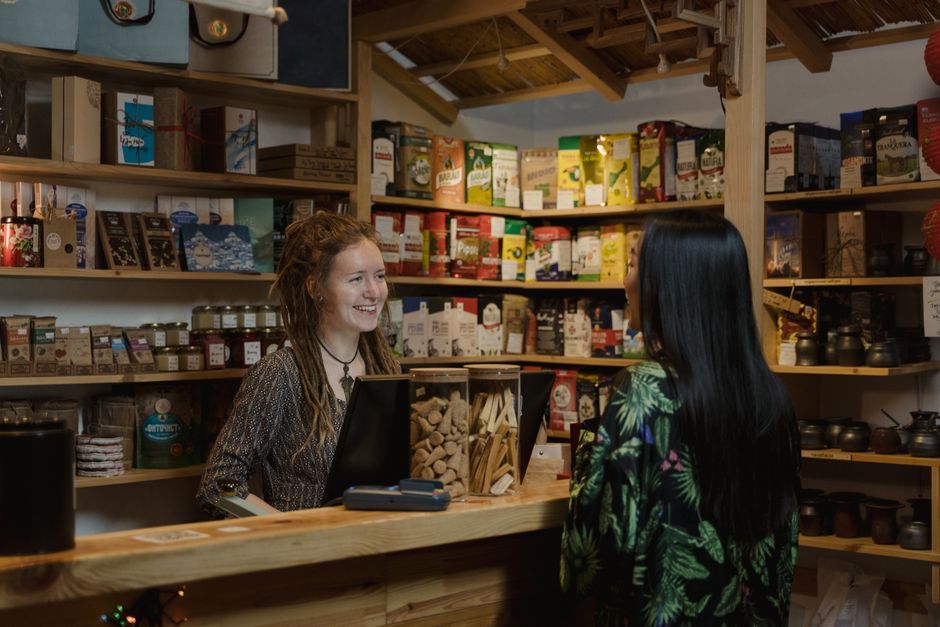
People often assume running a shop is mostly serving customers. In a shared shop, that is only part of it. If you have ever wondered how a place like The Curious Hideaway actually works, or you are a maker thinking about selling this way, here is a look behind the counter.
What is a shared shop?
Instead of one business buying all the stock, a shared shop rents out shelf space to lots of small sellers. Each stockist fills their own space with their own work. Amy’s Crystals & Crafts has four shelves of crystals and jewellery, for example, while Bluebell Patch Creations has eight cube shelves of beaded animals, suncatchers and charms.
For a customer, that means far more variety than one small shop could normally offer. For a maker, it means being on a real high street without taking on a whole shop of their own.
Why it looks different every time you visit
A normal shop plans its stock in advance. Here, new work arrives whenever makers finish it, and one-off pieces leave for good when they sell. Displays get moved, labels get updated and seasonal things come and go. That constant change is a lot of work, but it is also the reason regulars keep coming back.
The part you do not see
Keeping a shop like this running involves more than a till. There is the tidying and dusting of hundreds of small and sometimes fragile objects. There is keeping track of who sold what. There is the website, with each stockist’s page and an events calendar to keep up to date, along with messages from customers and makers. And it all needs doing with the door open, seven days a week.
Thinking of renting a shelf?
If you are a maker, shelf rental can be a good next step after markets and online selling. Some questions to think about first:
- Can you keep it stocked? A half-empty shelf does not sell. Make sure you can keep up with production.
- Is your display clear? You will not be there to explain your work, so labels and prices need to do it for you.
- Does your work fit? We are after the weird, wonderful and quirky, so look at what is already here.
- Do you have your paperwork in order? Some products have rules, particularly candles and cosmetics. It is your job to find out what applies to yours.
- Do you know your numbers? Work out what you need to sell each month to cover your costs before you commit.
We welcome handmade and artisan work, upcycled and pre-loved finds, wellness and natural products, spiritual and mystical items, art and prints, alternative fashion and anything else that does not fit in a box. Send us an application and tell us about your wares. We would love to meet you.
Or just come and be nosy
You do not need a business plan to visit. Come and see us at 15 West Street, say hello and ask whatever you like. Then read about the makers who fill the shelves.