
How to Build a Curated Collection (Without Hoarding)
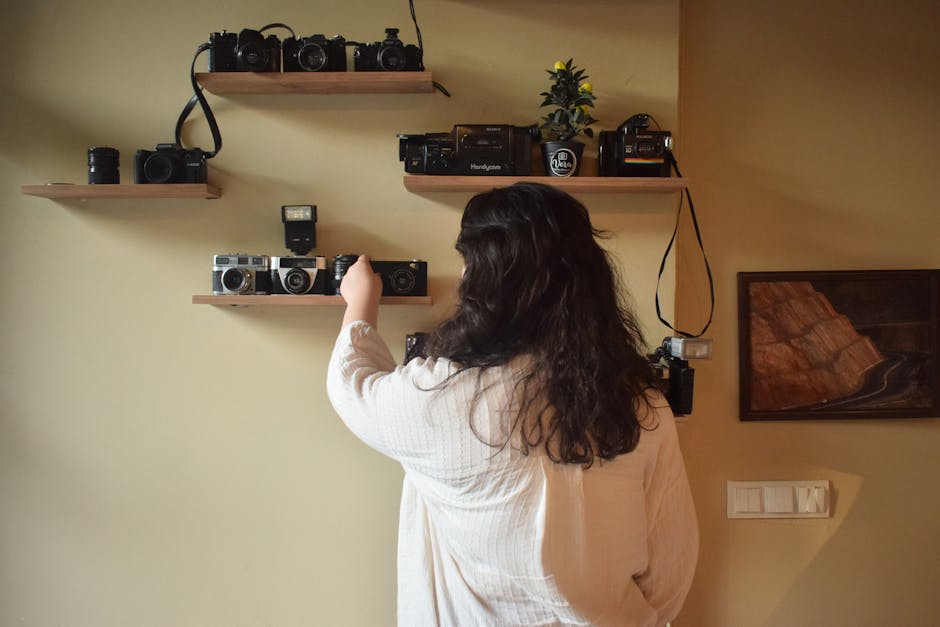
There is a thin line between collecting and hoarding, and most people who cross it do not notice until they have to move house. So before you find yourself on the wrong side of it, here are the principles we would suggest. (If clutter is causing real distress, or you are worried about someone else, please talk to your GP. That is a different thing altogether, and nothing to be ashamed of.)
1. Pick one theme, then narrow it
“Vintage things” is not a collection. It is an attic. “Brass animals” or “amber glass bottles” or “framed moths” is a collection. The narrower the focus, the more exciting each new piece is, and the easier it becomes to stop.
2. Display it, don’t just store it
If you never see it, you do not really get to enjoy it. Boxes tend to multiply quietly. If your collection has outgrown your shelves, it is time to edit before buying anything else. Our eclectic styling tips may help you make the most of the space you have.
3. One in, one out
Once your display space is full, every new piece means an old one moves on. This single rule does more than any other to keep a collection under control. The old piece does not have to be binned. Gift it, sell it, swap it. Just let it leave.
4. Buy from places that care
Buying from independent shops and makers tends to mean fewer, better things. A display dome from Gaia Morte Artworks or a framed metal detecting find from Dead Dolls Society is something you will think about before buying, and that is the point. Handmade pieces are hard to replace once they have gone.
5. Keep a record
Take a photo of each piece and note where you got it, the date and what you paid. It stops you buying duplicates, it helps with insurance if anything is valuable, and when the collection gets big, that record becomes part of the pleasure. A simple notebook is all you need.
6. Look after it
Keep delicate pieces out of direct sunlight, away from damp and well away from the radiator. Specimens, textiles and paper are especially vulnerable. Domes and glass-fronted cabinets keep dust off and cut your cleaning time.
7. Know when you are done
Most collections have a natural finishing point: the next piece is too similar to one you own, or you cannot picture where it would go. Stop. Enjoy what you have, and start a new theme if you must. A finished collection is a wonderful thing.
What if you run out of room for a while?
Life gets in the way sometimes. If you are moving house or having building work done, a big collection needs to be somewhere safe for a few months. A private lock-up from Infinity Storage can do that in Weston. Wrap things well, label the boxes properly, and treat it as a stopgap rather than a reason to buy more.
Where to find the next piece
Our stockists are a great source of the one-offs that collections are built from. If you want the bigger picture, read about the joy of finding the unusual, then come and have a slow wander at 15 West Street.